A trading platform is the software you use to buy and sell stocks. After opening your account, you can log in to view live market prices, search for stocks, place trades, and monitor your portfolio.
What Your Platform Provides
Most platforms provide real-time charts, order history, account balances, and performance tracking. With just a few clicks, you can buy or sell assets and follow your open positions instantly.
Getting Started
Order history
Account balances
Performance tracking
Stock search
Open positions
Major US Exchanges
In the United States, investors can trade on major exchanges such as the New York Stock Exchange (NYSE) and Nasdaq. Many popular market indexes, such as the S&P 500, track the performance of top companies listed on these exchanges.
NYSE
NASDAQ
S&P 500
S&P 500
Popular Trading Platforms
Some of the most widely used online trading platforms include:
After creating and verifying your trading account, you simply log in to the platform, search for a stock or asset, review its price chart, and place a buy or sell order. You can choose the type of order, set risk controls, and track your performance in real time.
Many platforms also offer additional support, including customer service, trading guides, and educational tools. Some communities provide expert market insights, live trading sessions, and even trade signals from professional traders to help users operate more confidently and safely.
Goldman Sachs
Our recommended platform for serious traders offers access to an exclusive community led by experienced professionals. Members receive daily trade insights, real-time market trends, and expert analysis to help them make informed decisions.
You will also have access to dedicated live customer support to guide you through every step — from account registration and trading to secure withdrawals.
Trade with confidence. Learn from experts. Grow with a professional trading community.
Mobile vs Desktop Trading Apps
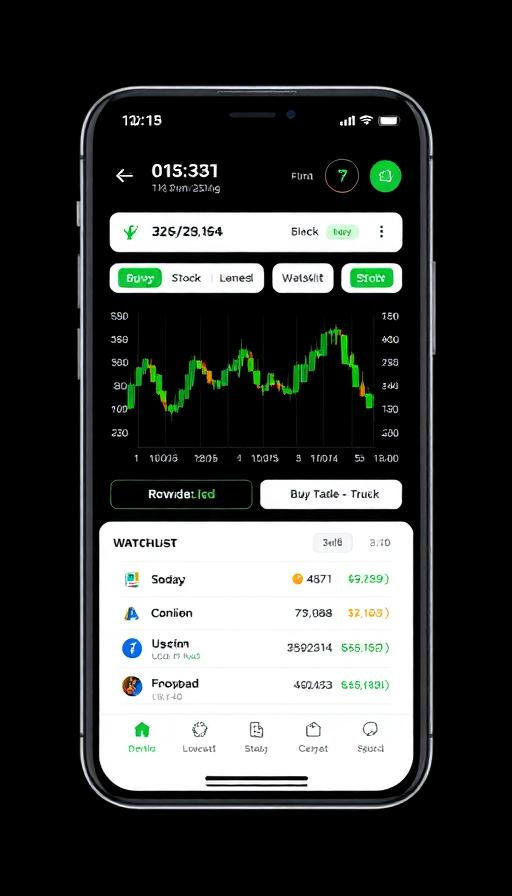
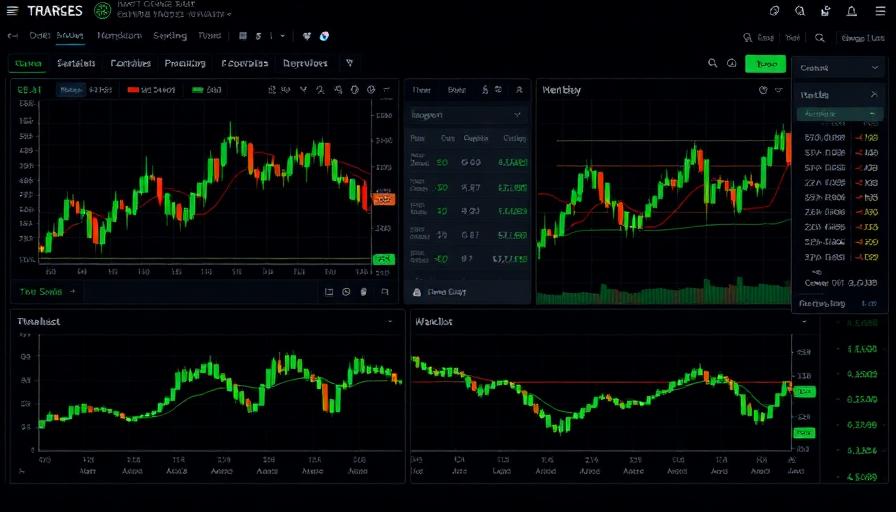
Mobile trading apps allow you to trade anytime and anywhere using your phone. They are simple, fast, and convenient for monitoring the market and placing quick trades. Desktop platforms offer more advanced tools, larger screens, detailed charts, and deeper analysis features.
Mobile
Ideal for flexibility — trade on the go, monitor positions, and execute quick trades from anywhere.
Desktop
Better for research and strategy planning — access advanced charts, detailed analysis, and multi-window layouts.
Market Order vs Limit Order
Market Order
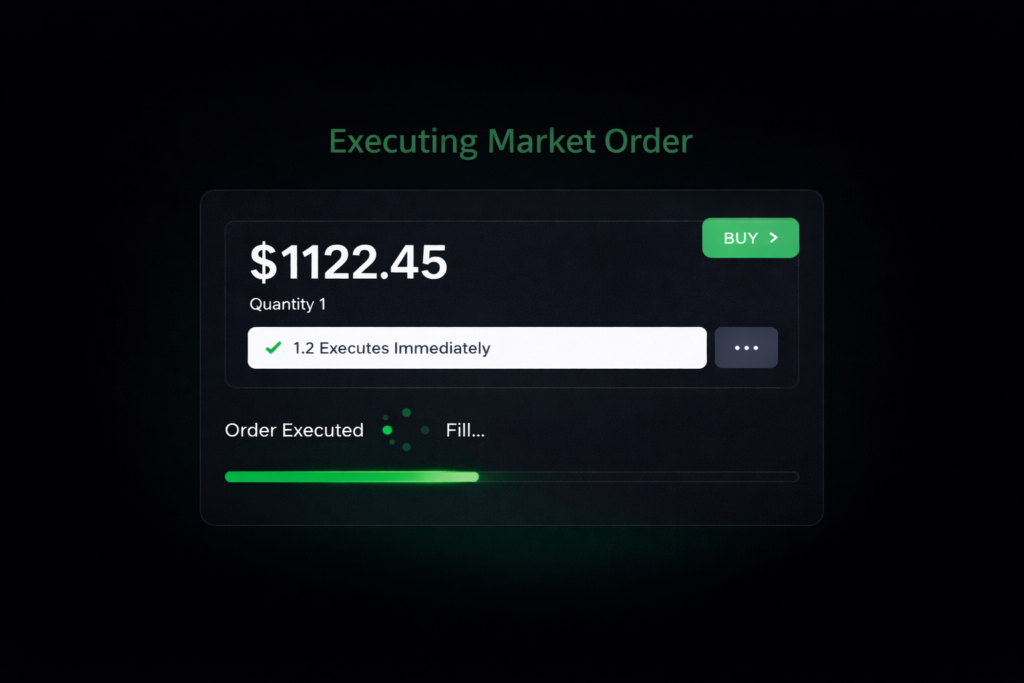
Executes immediately at the best available price. It guarantees execution but not the exact price.
Instant
Guaranteed fill
Limit Order
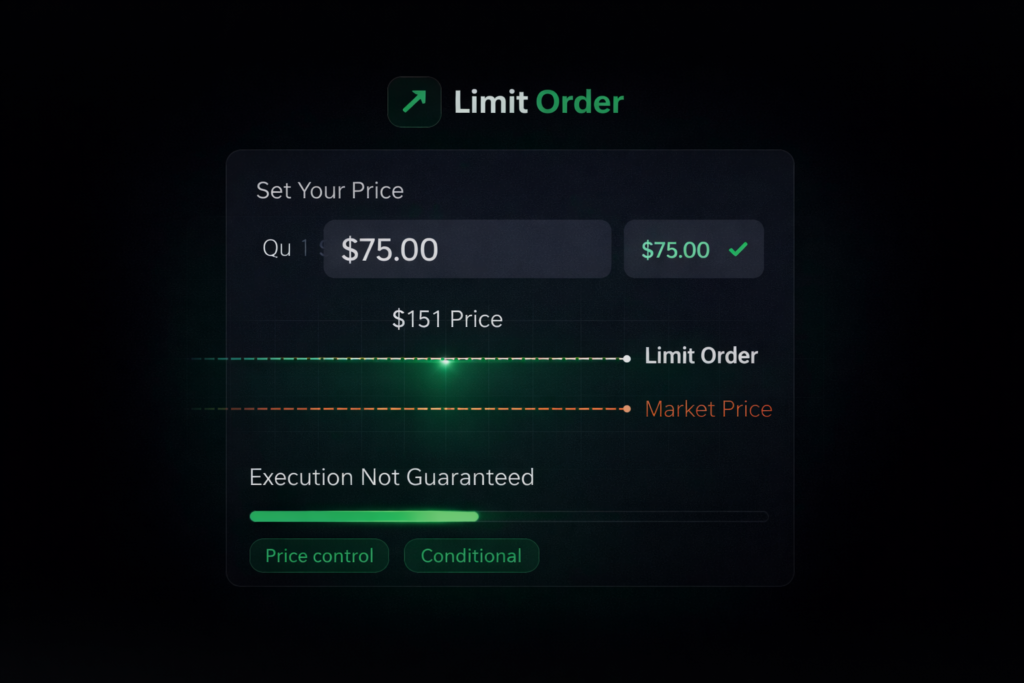
Allows you to set the price you are willing to buy or sell at. The order is only executed if the market reaches your chosen price. It provides price control but does not guarantee execution.
Price control
Conditional
Some trading communities also host paired trading sessions with experienced professionals. They may provide guidance on what assets to trade, position sizing, and current market trends.
Certain private communities share insights and trade signals earlier than the general public, helping traders maintain a consistent profits record.
What Is a Stop-Loss Order
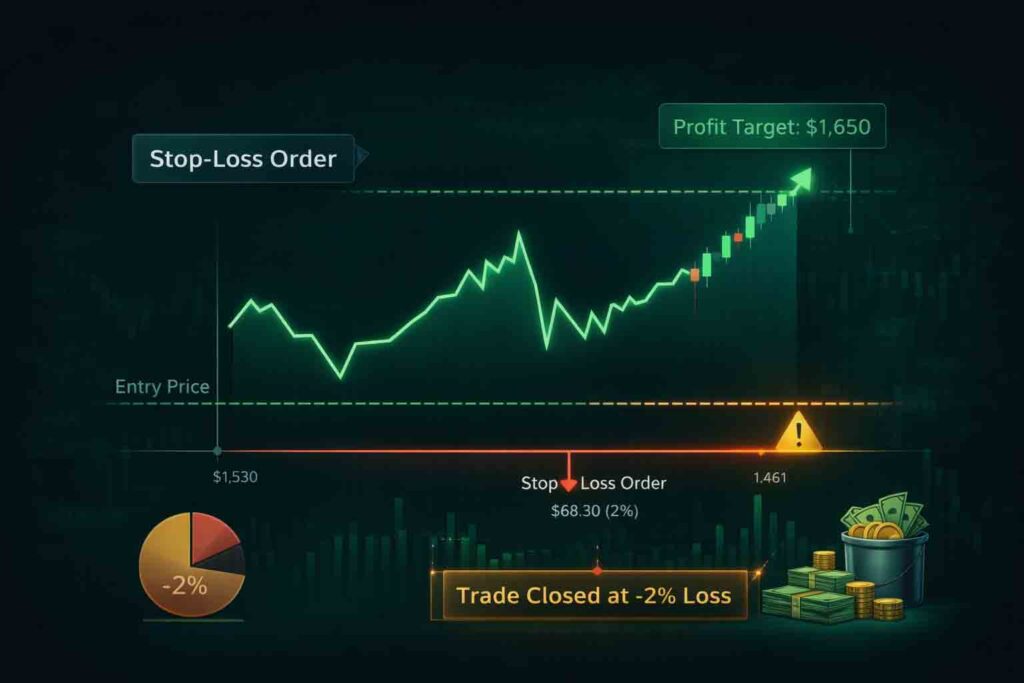
A stop-loss order is a risk management tool that automatically closes your position when the price reaches a certain level. This helps limit losses and protects your capital from large market swings.
Many traders follow the rule of risking no more than two percent of their total capital on any single trade.
Some platforms also offer free consultations on risk management or copy trading features that allow you to follow professional traders
Auto-close
Risk control
2% rule
Trading Fees & Commissions
Trading fees are the costs charged by brokers for using their services. These may include commissions per trade, account maintenance fees, withdrawal charges, and currency conversion fees. Some brokers advertise zero-commission trading, but may earn through other fees or spreads.
Commission per trade
A fixed or percentage fee on each buy/sell order
Account maintenance
Monthly or annual fees to keep your account active
Withdrawal charges
Fees applied when transferring funds out
Currency conversion
Costs for trading assets in a different currency
Always review the full fee structure
Before choosing a platform, compare all fees — not just commissions. Hidden costs like spreads, inactivity fees, and withdrawal charges can add up over time.
There are also expert communities that provide free trading signals to help beginners get started. Once you become consistently profitable, you may choose to copy trade professionals or pay a performance-based commission to access premium daily signals from professionals.
Free signals
Copy trading
Performance-based
Final Summary
Earning profits in the stock market does not have to be complicated. Trading on your own using only news and personal research often requires years of experience and costly mistakes. However, many people find success faster by learning from professionals and joining supportive trading communities that offer education, guidance, and real market insights.
Some vision-driven groups believe that financial opportunity should be accessible to everyone — not just elite investors.
Platforms like Goldman Sachs offer an exclusive trading community once you activate a trading account. Some members even make 2× return on equity in just their first month following professionals in the group.