
Types of Stock Trading Accounts

Before you start investing, it’s important to choose the right type of trading account. Each account is designed for different goals and risk levels.

ACCOUNT TYPE 01

Cash Account

A cash account allows you to buy stocks using only the money you deposit. You cannot borrow funds from the broker. This is the safest and most beginner-friendly option.

Risk Level

Low

Best For

Beginners and long-term investors

Account Type 02

Margin Account

A margin account lets you borrow money from your broker to buy more stocks than your cash balance allows. While it can increase profits, it also increases losses.

Risk Level

High

Best For

Experienced traders who understand risk

Account Type 03

Retirement Accounts

IRA, TFSA, RRSP, 401k
These are long-term investment accounts with tax benefits, depending on your country.

Risk Level

Low–Medium

Best For

Long-term retirement planning

Account Type 04

Day Trading Account

Designed for frequent traders who buy and sell within the same day. Some regions require a minimum balance to day trade.

Risk Level

Very High

Best For

Active and professional traders

Account Type 05

Robo-Advisor Account

An automated account that invests your money using algorithms based on your goals and risk level.

Risk Level

Low–Medium

Best For

Hands-off investors

Difference Between Stocks, ETFs & Bonds

Understanding the difference between these assets helps you build a balanced portfolio.

Stocks

When you buy a stock, you own a small part of a company. Your profit comes from price increases and dividends.

RISK

High

RETURN POTENTIAL

High

ETFs

Exchange-Traded Funds

ETFs are baskets of stocks or assets. They are traded like stocks but give instant diversification.

RISK

Medium

RETURN POTENTIAL

Medium to High

Bonds

Bonds are loans you give to companies or governments. You earn interest and get your money back at maturity.

RISK

Low

RETURN POTENTIAL

Low to Medium

How The Stock Market Works

The stock market is driven by supply and demand. Every time someone buys or sells a stock, a transaction happens and the price changes. When more buyers want a stock than sellers, the price rises. When more sellers want to sell than buyers, the price falls.

Price movement is not random. It reacts to information, emotions, and expectations in the market.

What Moves Stock Prices

Stock prices change because of:
When good news is released, more people want to buy, pushing prices higher. When bad news appears, people sell, causing prices to drop.

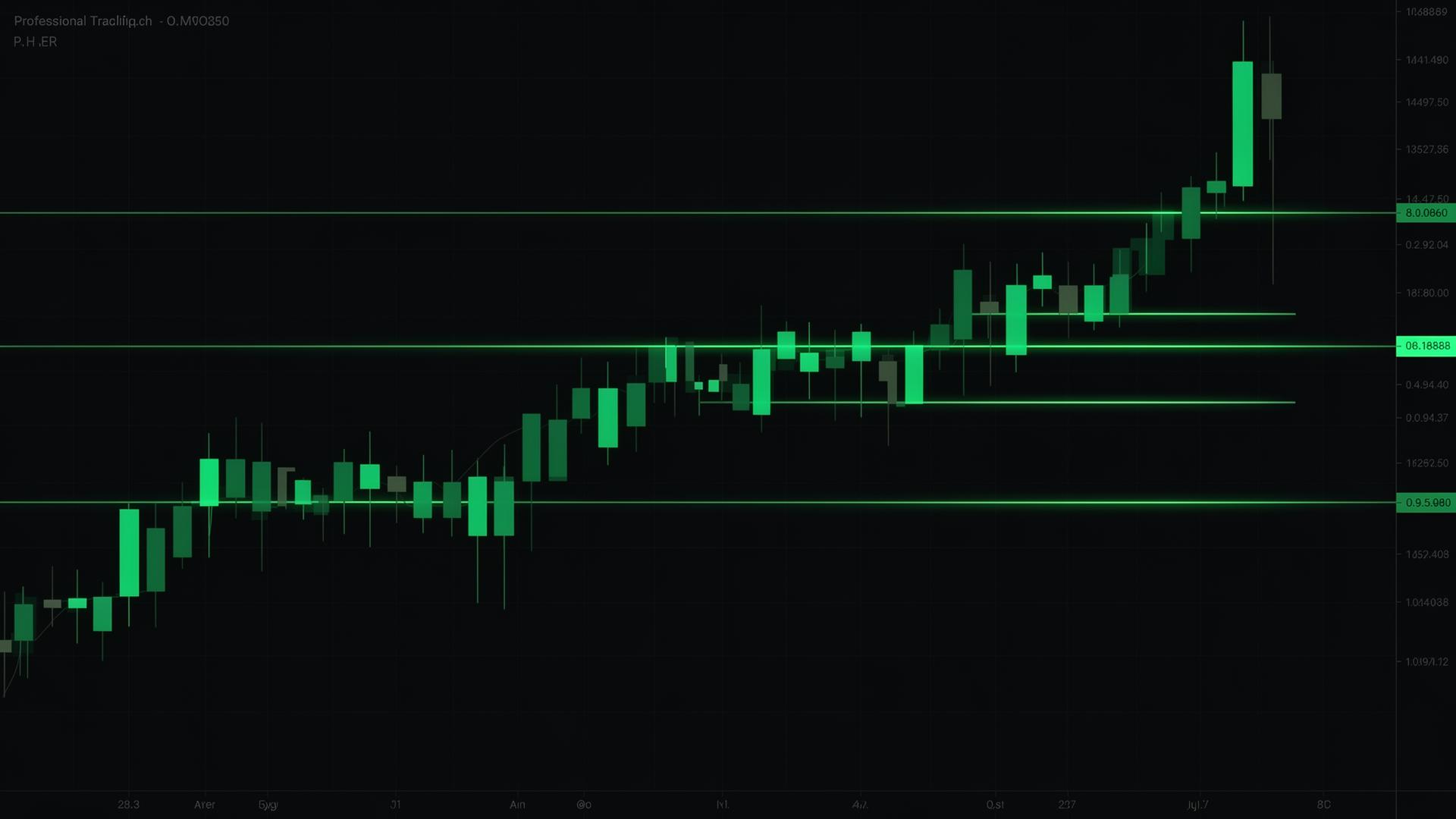
What Is Price Action

Price action is the study of how prices move on a chart over time. Instead of using many indicators, traders focus on the raw price movement to understand market behavior.

Price Action Shows

Supply and demand zones

SUPPORT

Support is a price level where buyers usually enter and stop the price from falling.

RESISTANCE

Resistance is a price level where sellers usually enter and stop the price from rising.

When price breaks above resistance, it often becomes new support.
When price breaks below support, it often becomes new resistance.

Trends & Why It Matters

UPTREND

Higher highs and higher lows (price moving up)

DOWNTREND

Lower highs and lower lows (price moving down)

SIDEWAYS

Price moving in a range without a clear direction
Why Price Action Is Important

Why Price Action Is Important

How To Open A Stock Trading Account

01

Choose (platform name)

Look for low fees, easy platforms, and good customer support.

02

Submit Your Details

You will need government ID, proof of address, and bank details.

03

Verify Your Account

Most brokers verify within one to three days.

04

Deposit Funds

Transfer money from your bank.

05

Start Trading

Search for stocks, place buy and sell orders, and track your portfolio.

06

Connect with expert’s

Join exclusive signal experience traders/professor community and start earning

Step 06

Connect With Experts

Join our exclusive community group of experienced traders and professors with customer service support to guide your first account opening.